
CHILD-FRIENDLY CITY

Designing cities that move at a child's rhythm

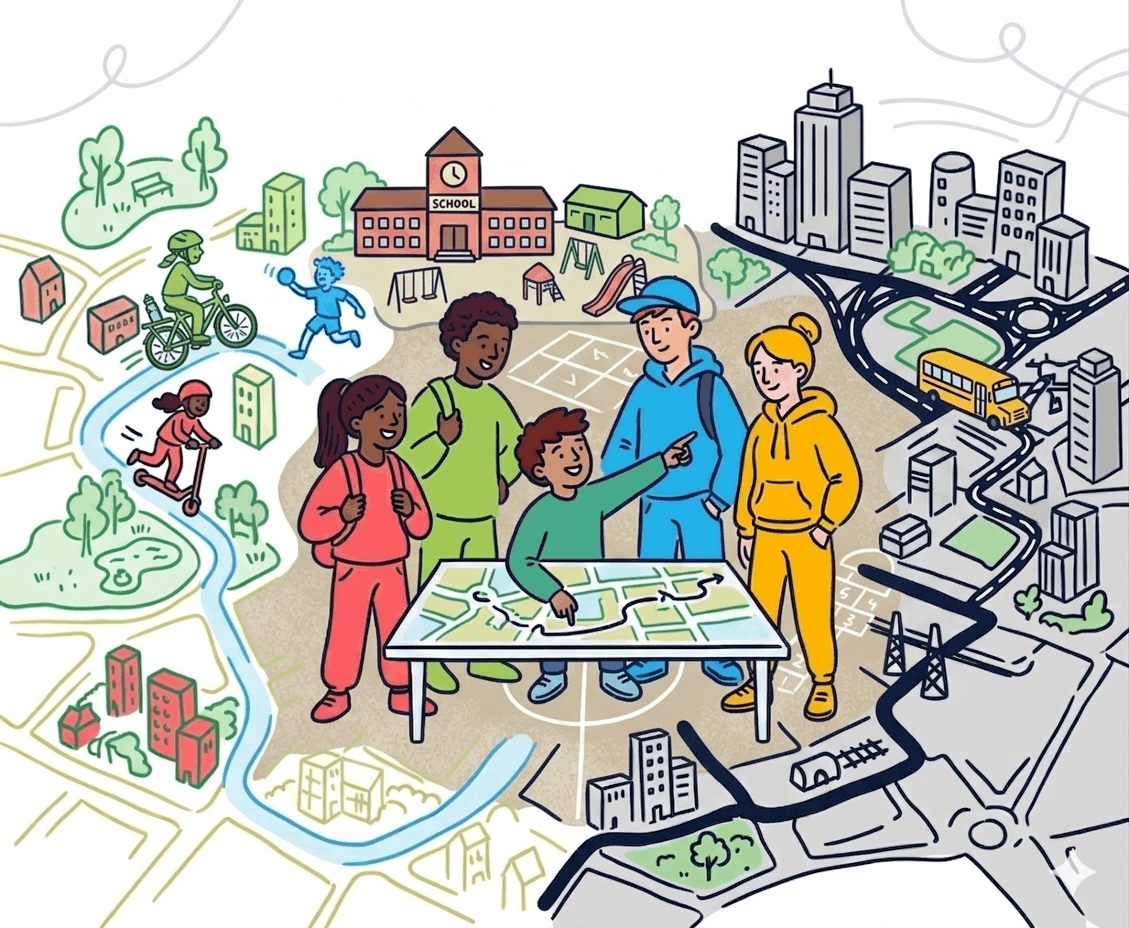
YouthMove15 aims to build more child-friendly cities by understanding children's unique needs and turning that into real tools, policies, and change.

Explore project  
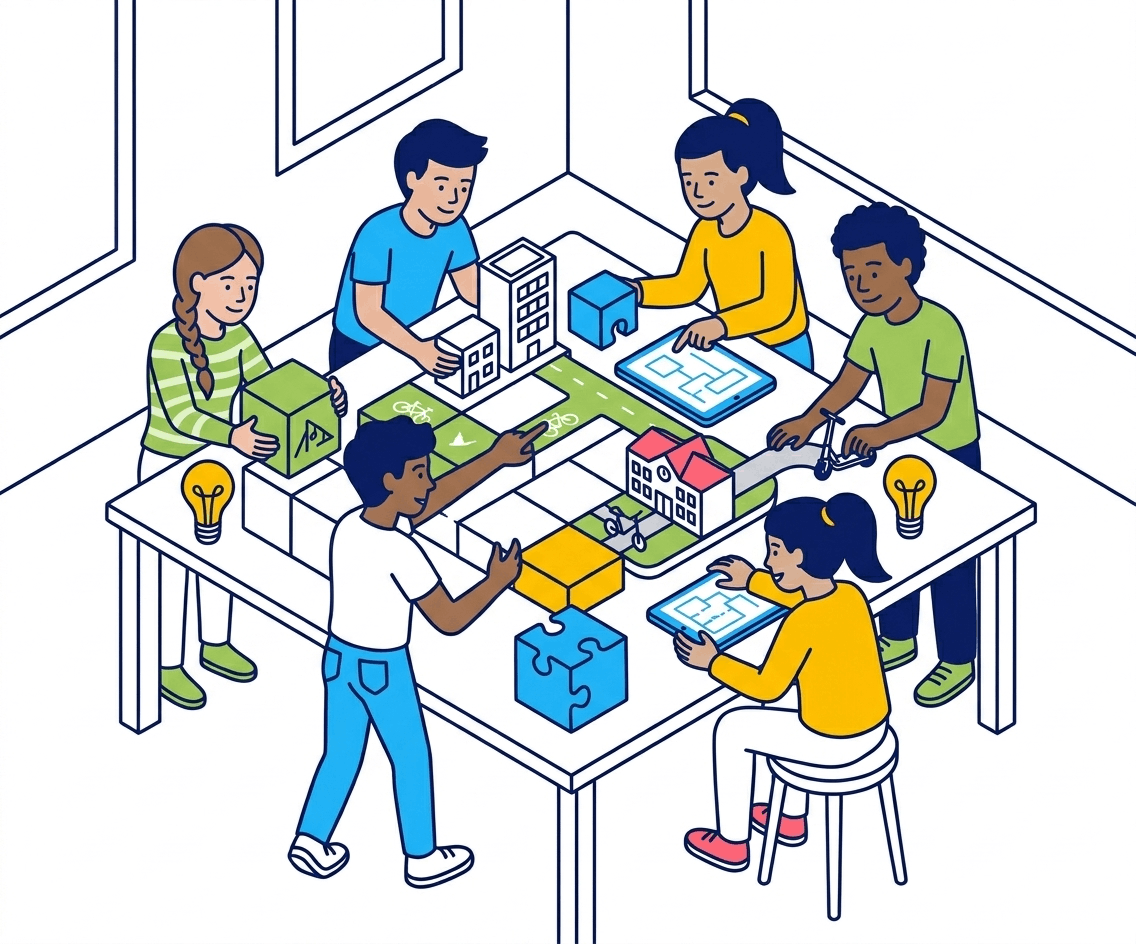
Young people collaboratively planning their city on a map

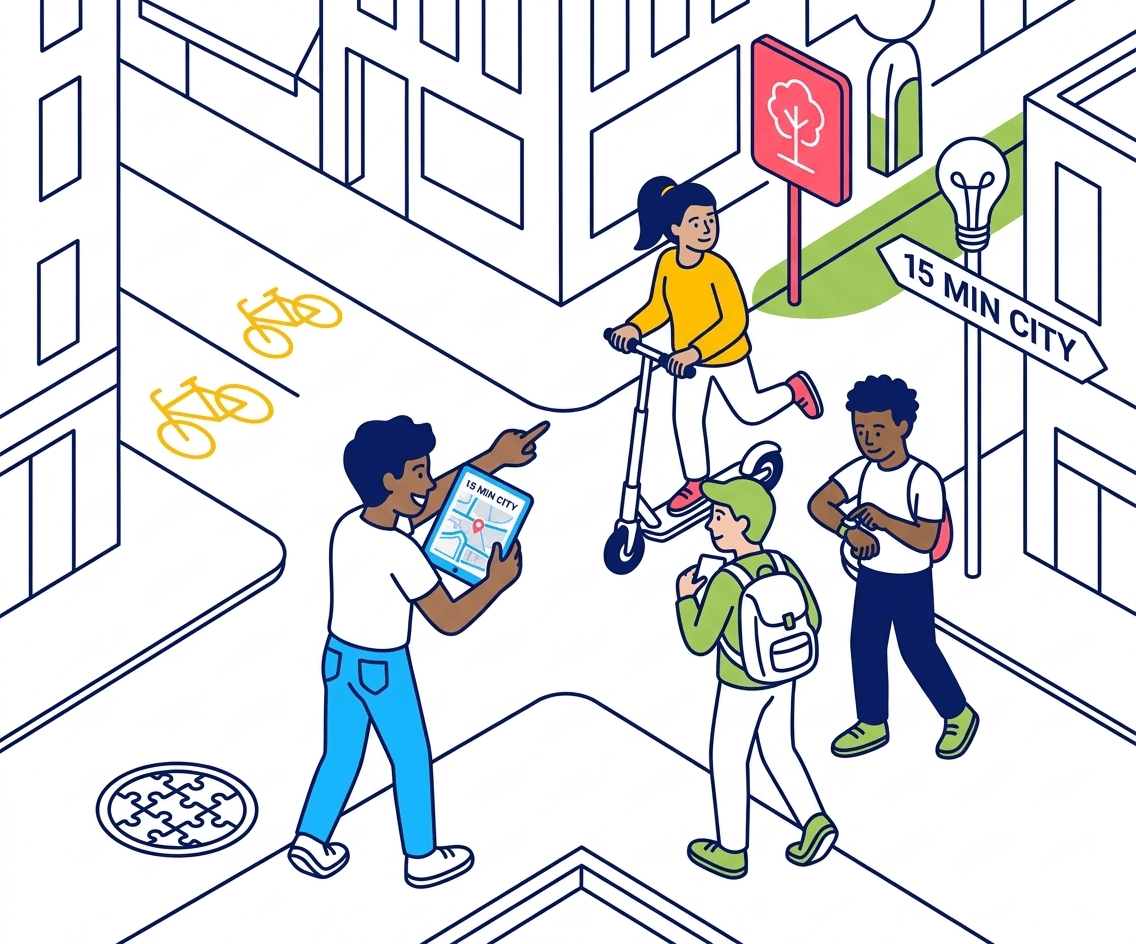
The 15-minute city, reimagined by children

YouthMove15 researches children’s lived experience in their neighbourhoods and explores:

what they want, what stops them, and how cities can work for them too.

Children’s mobility desires are not integrated into urban planning.

YouthMove15 will diagnose the desire-opportunity gap and co-create solutions to inform the next generation of city planning.

Built for everyone shaping
young people's cities

Children & Young People

Whose ideas, voices, and experiences are not a footnote — they are the starting point for everything we do.

Schools & Teachers

Who want to embed sustainable mobility and placemaking into everyday curriculum and school activities.

Cities & Urban Planners

Who need evidence and practical tools to include children in mobility planning and public space design.

NGOs & Communities

Who work with children from underrepresented and vulnerable communities and need inclusive participation methods.

Researchers & Academics

Who are studying children’s geographies, urban mobility, participatory planning, and the 15-minute city concept.

0 Partners
0 Living Labs
0 Children Engaged
0 Schools & Centres

Living Labs

YouthMove15 runs five Urban Living Labs across Europe. Each shaped by its own community context, each asking the same question: how do we build child-friendly cities?

Children from diverse, underrepresented communities co-create child-friendly school neighbourhoods and activity hubs — reimagining what their streets could look like if designed around them.


Young people identify barriers to active mobility and lead temporary street interventions — tactical urbanism built with and for the children who live there.

Children use Augmented Reality and Virtual Reality to redesign their local streets — then step inside their own proposals in a full-scale VR environment.

Through game-based and narrative co-design, children imagine better mobility networks and social spaces in communities often overlooked in city planning.

Children and their parents promote cycling culture and safe micromobility through hands-on bike repair workshops and participatory street activities.

Goals

Children and researchers mapping urban mobility
1. Understand

how children and young people experience their cities — their desires, their barriers, and the gap between the two.

Children co-designing urban spaces together
2. Co-create

inclusive tools and programmes with schools, communities, and cities that address that gap in practice.

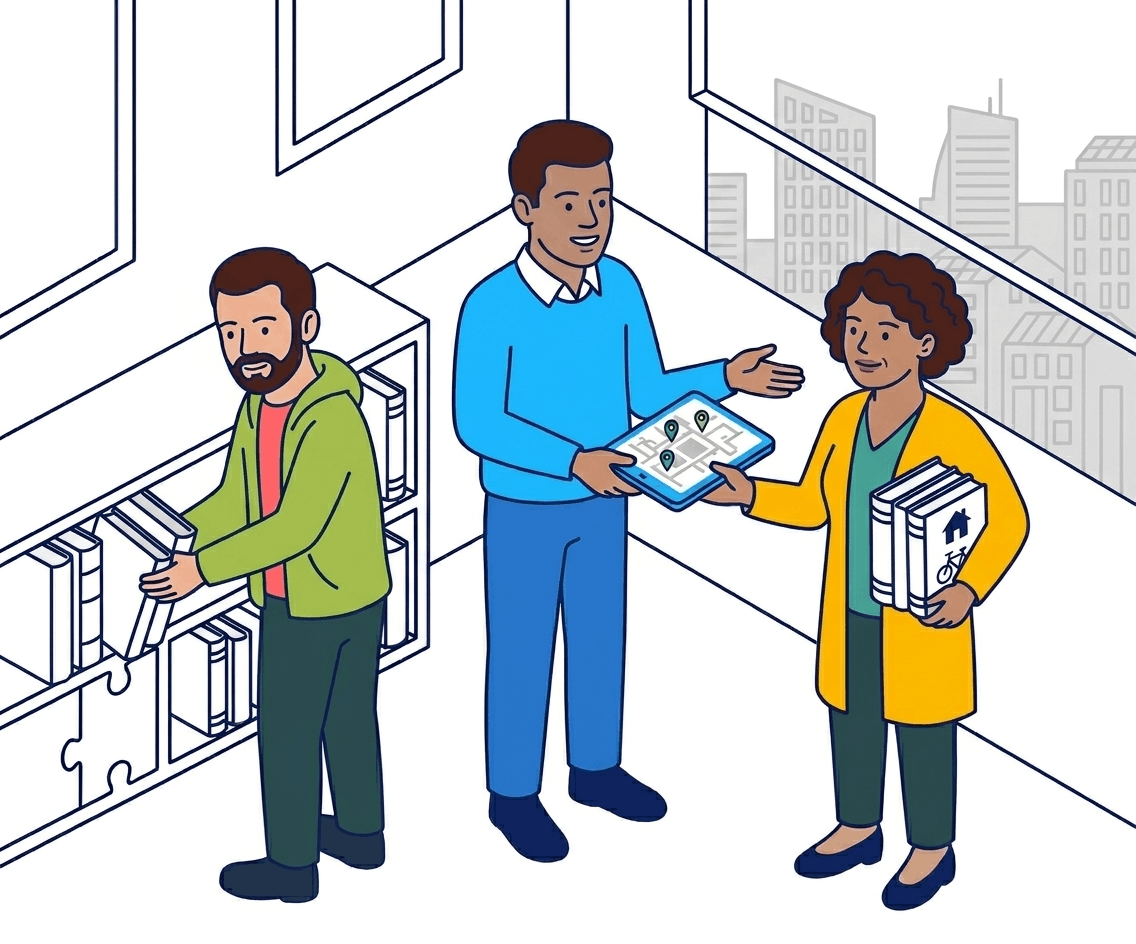
Researchers translating findings into policy guidance
3. Share

what we learn and turn it into knowledge, guidance, and policy recommendations that anyone can use.

Built together, across Europe

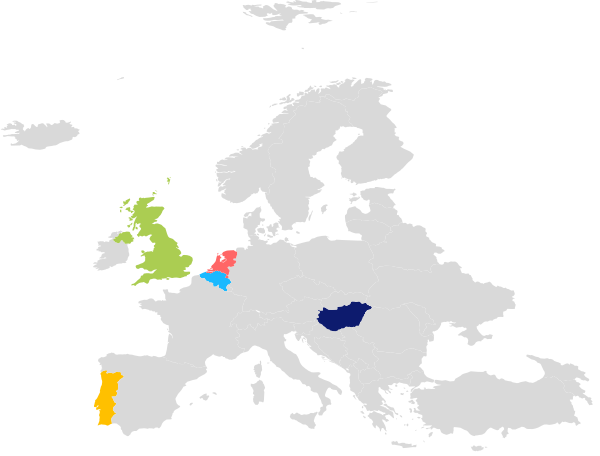
26 organisations across 5 countries.

Vrije Universiteit Brussel (VUB)
Project coordinator
Oxford Brookes University (OBU)
Rijksuniversiteit Groningen (RUG)
Budapest University of Technology, UFLab (BME)

Latest news

Young people sitting and talking together

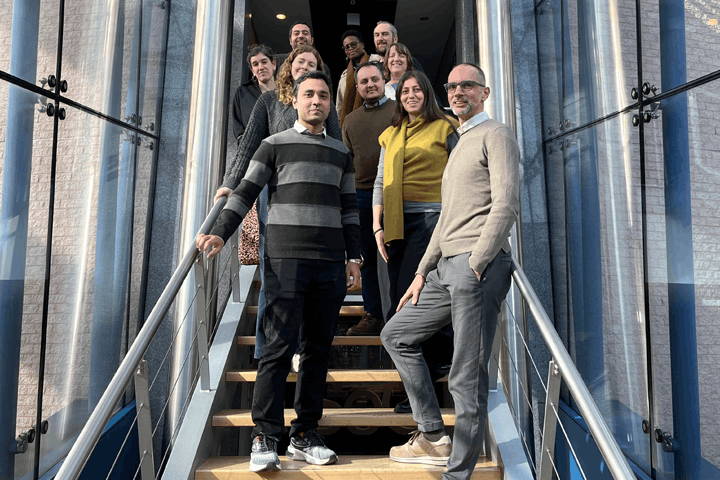
The project has launched

All 26 partners have come together for the first time, aligning on methodology, governance, and the plan for each of the five Living Labs.

Now the journey begins.