CHILD-FRIENDLY CITY

Youth-centric Mobility and Activity in the 15-minute City

YouthMove15 aims to build more child-friendly cities by understanding children's unique needs and turning that into real tools, policies, and change.

Explore project  
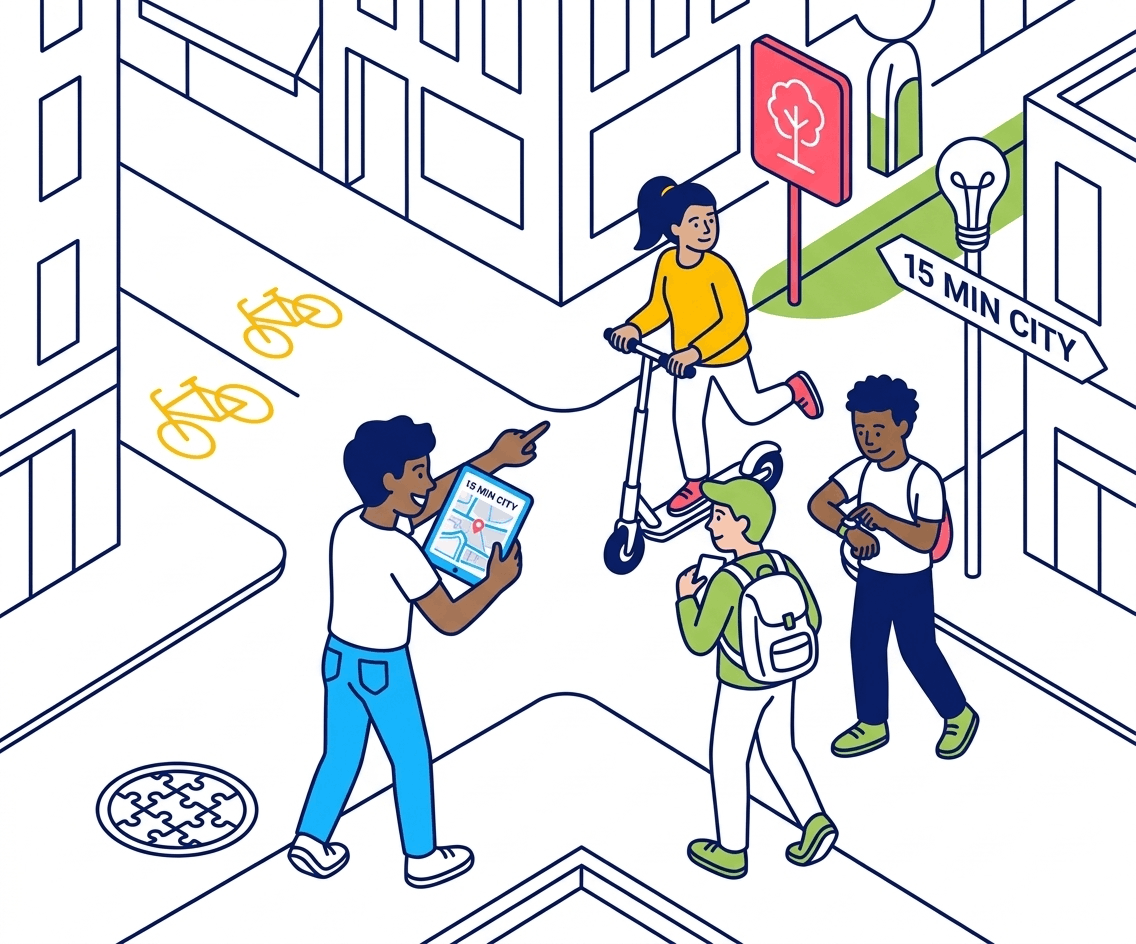
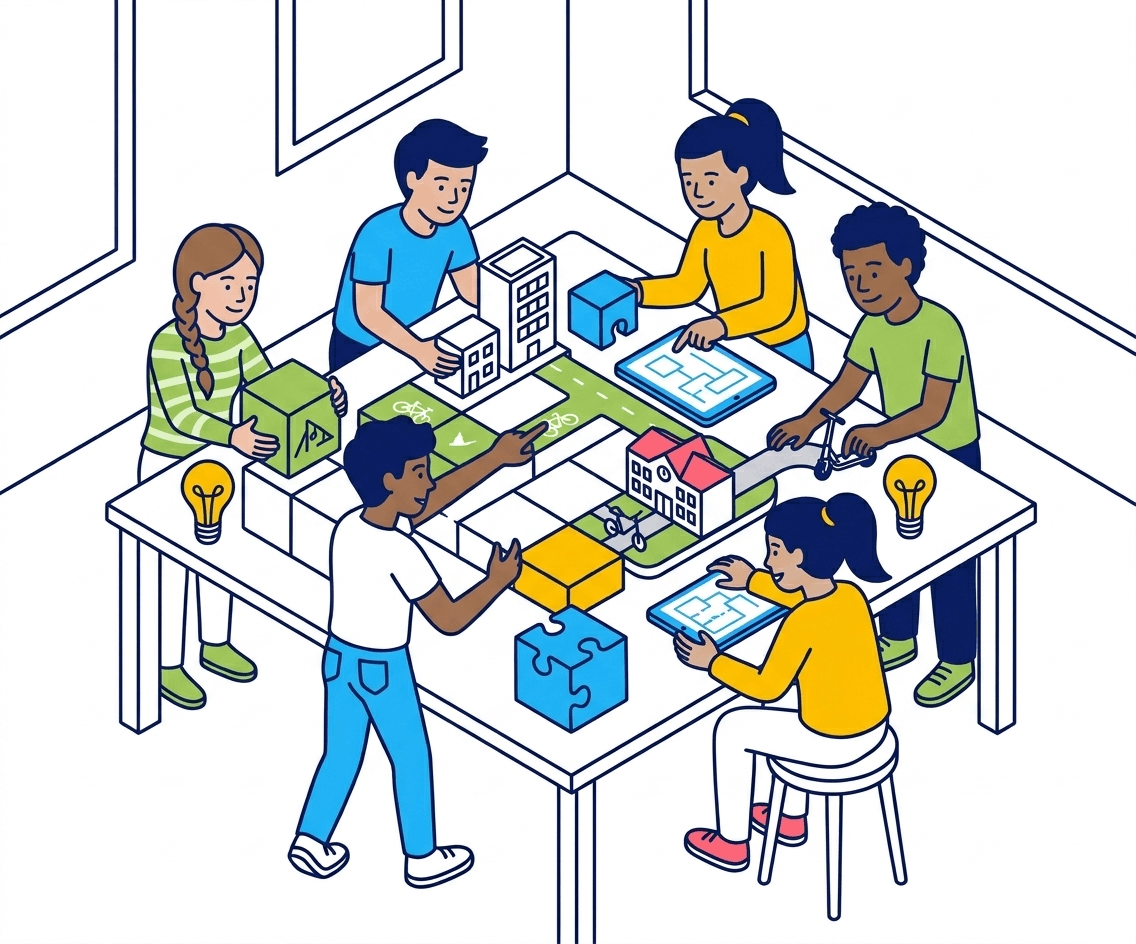
Young people collaboratively planning their city on a map

The 15-minute city,
reimagined by children

YouthMove15 researches children's lived experience in their neighbourhoods — what they want, what stops them, and how cities can work for them too. Yet children's mobility desires are still not integrated into urban planning.

YouthMove15 will diagnose the desire–opportunity gap and co-create solutions to inform the next generation of city planning.

15-minute city — in simple terms: a neighbourhood where everyday essentials (school, play, parks, shops, friends) are within about a 15-minute walk or cycle, without relying on a car.

Urban living lab — a real city area where researchers, planners, schools, and residents — including children and young people — try ideas on the ground, learn what works, and shape lasting change together.

Built for everyone shaping
young people's cities

Children & Young People

Whose ideas, voices, and experiences are not a footnote — they are the starting point for everything we do.

Schools & Teachers

Who want to embed sustainable mobility and placemaking into everyday curriculum and school activities.

Cities & Urban Planners

Who need evidence and practical tools to include children in mobility planning and public space design.

NGOs & Communities

Who work with children from underrepresented and vulnerable communities and need inclusive participation methods.

Researchers & Academics

Who are studying children's geographies, urban mobility, participatory planning, and the 15-minute city concept.

0 Partners
0 Living Labs
0 Children Engaged
0 Schools & Centres

Living Labs

YouthMove15 runs five Urban Living Labs across Europe. Each shaped by its own community context, each asking the same question: how do we build child-friendly cities?

Weekend and regular schooling networks across six participating schools. The living lab explores children's activities around schools as local hubs, co-creates child-friendly ideas with pupils, and involves caregivers and stakeholders beyond the school run.

A lab in a public school in Lumiar, where children and young people face social vulnerability. Activities clarify barriers to active mobility and test temporary, child-led interventions—including tactical urbanism—in nearby public space.

Uses augmented and virtual reality so young people can reshape local streets and experience proposals. Workshops connect schools with partners and public engagement events such as the annual Science Bazaar.

Two peri-urban labs (including Beijum) build on long-term collaboration with lower-income communities. Narrative and game-based methods help children co-design transport scenarios and imagine public space that supports mobility and social life.

Participatory work in two municipality-owned public spaces combines narrative, game-based, and hands-on activities to promote safe micromobility and positive attitudes to cycling, with outreach through nearby schools and families in underrepresented groups.

Goals & Deliverables

Children and researchers mapping urban mobility
1. Understand

how children and young people experience their cities — their desires, their barriers, and the gap between the two.

Children co-designing urban spaces together
2. Co-create

inclusive tools and programmes with schools, communities, and cities that address that gap in practice.

Researchers translating findings into policy guidance
3. Share

what we learn and turn it into knowledge, guidance, and policy recommendations that anyone can use.

Practice

Best Practices Catalogue

Guides, facilitation patterns, and ready-to-adapt assets for classrooms, neighbourhoods, and city teams.

Built together, across Europe

26 organisations across 5 countries.

Vrije Universiteit Brussel (VUB)
Project coordinator
Oxford Brookes University (OBU)
Rijksuniversiteit Groningen (RUG)
Budapest University of Technology, UFLab (BME)
Open research books and notes on a wooden table

Project launch

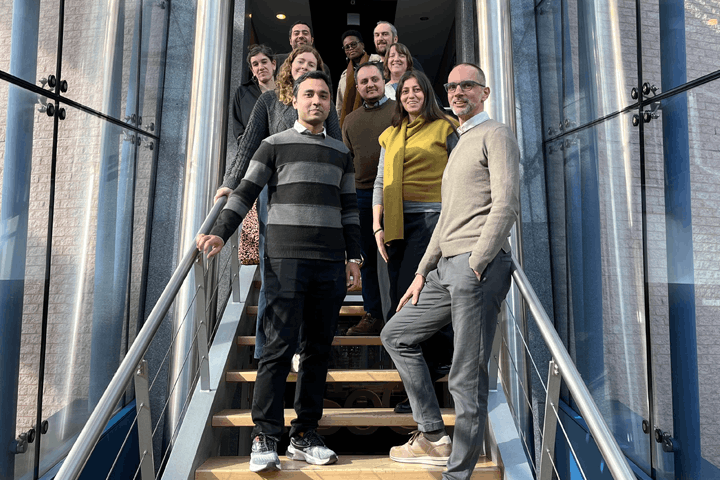
YouthMove15 Partners met in Brussels to kick-off the project. Be on the lookout for upcoming publications and deliverables.

Open research books and notes on a wooden table

Project launch — partner perspectives

How the consortium framed methodology and living labs at kick-off—plus more stories, PDFs, and deliverables as they are released.

Numbered deliverables (D1.1, D2.1, …) sit alongside articles and technical notes on the Results hub.