
Summary
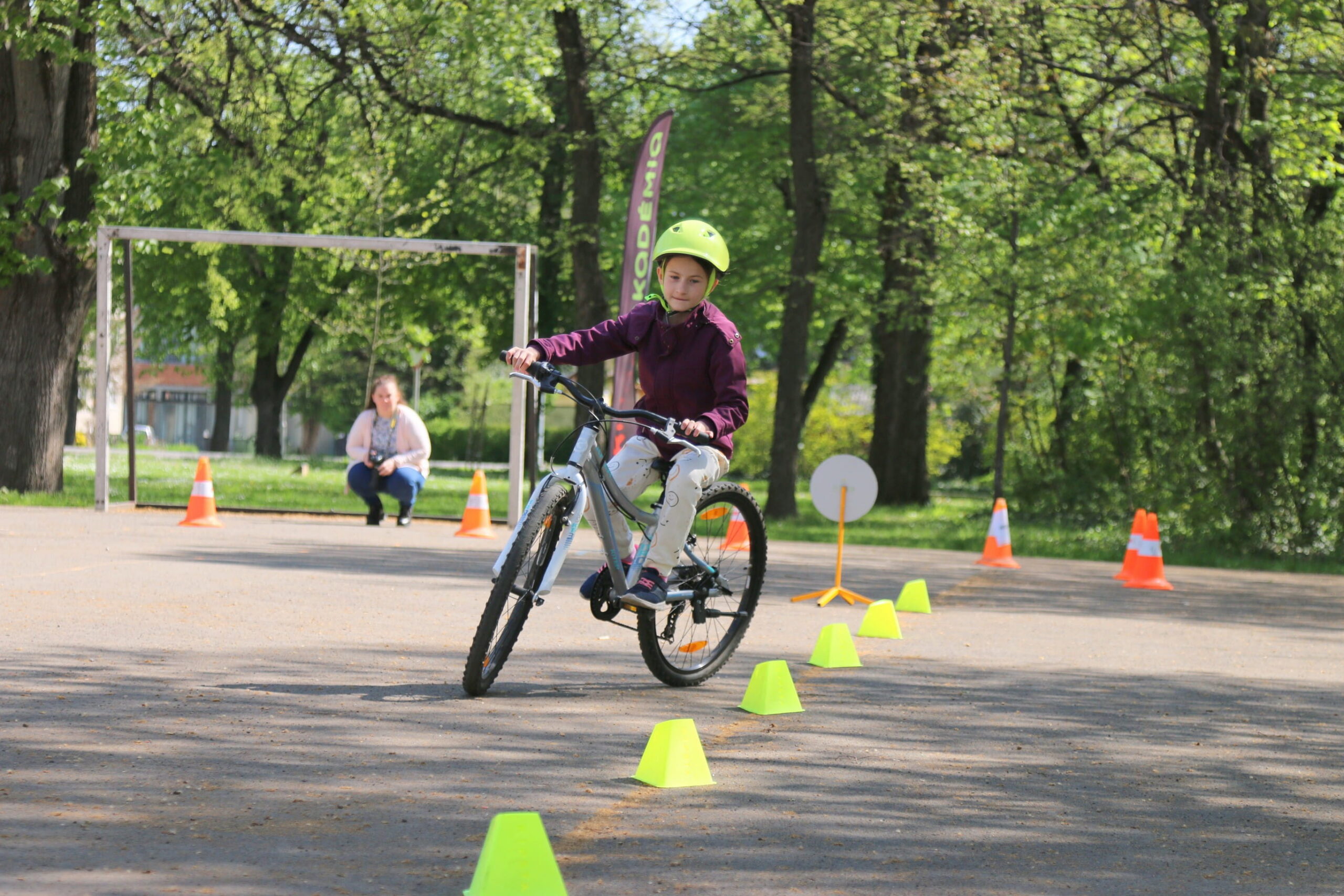
This school‑based initiative led by Bringasuli in Hungary fosters safe, independent, and confident cycling among children through structured, experiential learning. Targeting primarily pupils aged 9–12, the programme combines theoretical knowledge, playful skill‑building, and real‑world cycling practice to prepare young people for everyday mobility.
Delivered in small groups by trained instructures, the curriculum progresses from bike handling and safety checks to navigating low‑traffic streets and real traffic conditions, ensuring a gradual and supported learning pathway. A defining feature of Bringasuli is its emphasis on learning through play, using games and interactive activities to build essential cycling skills, awareness, and decision‑making capacity.
Supported by national funding, the programme aims to reach thousands of students, embedding cycling competence and road awareness from an early age. By connecting education with real mobility environments, Bringasuli strengthens children’s autonomy, safety, and long‑term engagement with sustainable transport.
Key aspects
-
School based cycling education
Integrates theory, practice, and real world experience within the school environment. -
Progressive experiential learning
Builds skills gradually, from controlled settings to real traffic conditions. -
Learning through play
Uses games and interactive exercises to develop coordination and decision making. -
Teacher led implementation with specialist training
Delivered by trained teachers, ensuring scalability and quality. -
Nationally scaled programme
Supported by public funding, reaching large numbers of students across schools.