
Time period
Growing Up Boulder:15-Minute Neighborhoods
- E.U.A Boulder (Colorado)
Summary
The 15 Minute Neighbourhoods project, engaged children and young people in exploring what makes a neighbourhood accessible, safe, and liveable from their perspective. The project was initiated in response to the city of Boulder’s broader strategy to create neighbourhoods where essential services and goods can be accessed within a 10–20 minute walk, bringing children’s perspectives into this planning vision.
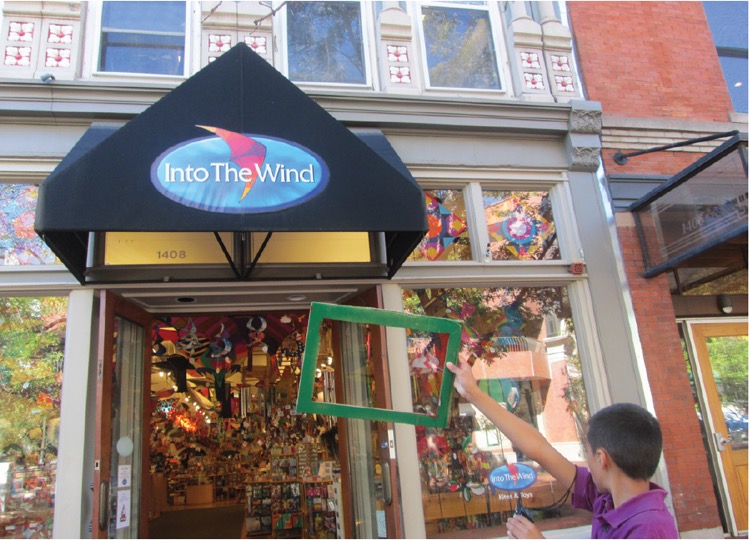
Conducted with primary and middle school students, the project used participatory, place based methods—including drawing, neighbourhood walks with photovoice, mapping, and group discussions—to capture everyday experiences.
A key finding was that younger children are often unable to navigate a full 15 minute radius independently, highlighting the importance of proximity of amenities. The project generated practical recommendations on mobility, safety, and public space, contributing to more inclusive and child friendly interpretations of the 15 minute neighbourhood concept.
Key aspects
-
Child centred reinterpretation of the 15 minute neighborhood
Adapts a city scale concept to children’s lived realities, revealing gaps between theoretical and actual accessibility. -
Focus on everyday mobility and Independence
Highlights how age and parental constraints limit children’s autonomous movement. -
Participatory, place based exploration
Uses drawing, walks, and mapping tools to support in situ observation, reflection, and spatial analysis. -
Evidence based insights for planning
Generates data on safety, accessibility, and spatial quality, informing more responsive decision making.